AI-driven complaints swamp EU ombudsman
The European Ombudsman believes that the increasing use of AI tools is a factor in a sharp rise in complaints to the office last year.
The office’s annual report for 2025 shows that it handled 3,490 complaints last year – an increase of 54%. The number of inquiries rose by 19% to 492.
It said that the jump was in part due to AI tools suggesting the ombudsman when people looked for help in relation to the EU administration.
‘New reality’
“While it is very positive that more people know about the European Ombudsman, this new reality has required the office to adapt its internal working methods to be able to continue to meet the expectations of citizens,” it said.
The ombudsman’s office said that it had recruited a dedicated AI officer and set up a cross-department AI taskforce as part of efforts to reduce the number of complaints about topics outside its mandate.
It has also been looking at how AI can help with some ancillary tasks related to case-handing, such as summarising large documents, while ensuring that human oversight continues and that AI is not used to take decisions.
The office published a policy on AI in December last year.
Most suggestions accepted
The annual report shows that the biggest proportion of inquiries (38%) continued to concern transparency and accountability issues.
This was followed by complaints related to a culture of service (such as failures to reply) and complaints linked to the management of infringement procedures.
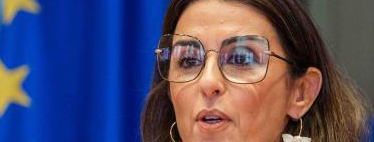
The EU institutions followed ombudsman Teresa Anjinho’s proposals for a solution during inquiries in 89% of cases, while in 78% of cases they accepted suggestions for improvement proposed at the end of inquiries.
Revolving doors
During 2025, Anjinho opened an own-initiative inquiry into how 15 EU agencies manage revolving-doors situations (the movement of staff between EU bodies and the private sector) and has now published good-practice guidelines to help ensure a uniform approach to the matter across all agencies.
She found a series of discrepancies in how EU agencies manage moves by staff and board members to take up work in the private sector. Of the 15 examined, seven had adopted rules on managing conflicts of interest, while four monitored the compliance of former staff with restrictions on post-service work.
The inquiry also noted differences in how individual agencies train staff on their ethics obligations, in how transparent they are about decisions on individual cases, and in what kind of measures they put in place to mitigate potential conflicts of interest.
As part of her overall assessment, the ombudsman said that EU agencies should adopt “a robust procedure” for assessing notifications by former staff members taking a role in the private sector that is related to their former duties.
During 2025, Anjinho also found some shortcomings in how the European Commission prepared several legislative proposals that it considered urgent and made proposals for improvements.