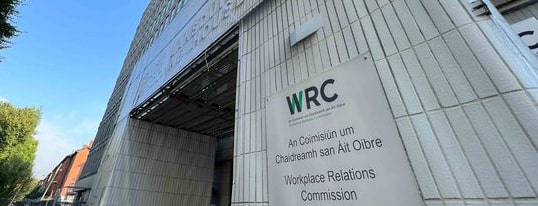
Unfair-dismissal cases jump 43% at WRC
Unfair-dismissal complaints to the Workplace Relations Commission (WRC) rose 43% to 3,270 in 2025, up from 2,285 in 2024.
Specialist employment-law firm Littler has commented that part of this increase in unfair-dismissal complaints stems from employers restructuring their workforces, with the technology sector among those announcing significant redundancies.
Some software companies have been reviewing strategy and payroll costs as they invest further in AI.
Littler Dublin partner Barry Reynolds said: “As businesses restructure, it’s almost inevitable that unfair-dismissal claims will increase.
“At the same time, AI is making it easier for employees to formulate complaints, increasing the risk of disputes."
Barry Reynolds commented: “As businesses reshape their workforces around new technologies, the pressure to reduce or redistribute costs looks set to continue – including, in many cases, reducing headcount or removing employees or structures that are seen as unproductive.”
Scrutiny
Scrutiny of redundancy decisions will hinge on whether dismissals are supported by clear rationale and fair procedures.
“A failure to follow a robust process can turn a necessary business decision into a legal dispute,” Reynolds commented.
Low-cost AI tools now make it easier for employees to obtain guidance on their legal rights, prepare correspondence, and draft complaint forms, he added.
“Employees who may previously have been discouraged from seeking legal advice are now feeling better equipped to bring claims themselves, even if the guidance they are relying on may not always be balanced or succinct and, at worst, may be riddled with hallucinations,” he added.
Adverse consequences
However, there have been increasing warnings from courts and tribunals about over-reliance on AI and potentially adverse consequences.
Barry Reynolds said: "Increased automation is impacting dismissals and claims in a number of ways.
“Employers can face increased challenges owing to the rapid uptake of AI. They should remember that having a fair reason for dismissal is only part of the equation.
“The process followed is often just as important.”
Even where an employer ha legitimate business reasons for dismissing an employee, failing to follow a fair and transparent procedure could create significant legal risk, he added.
It was more important than ever for employers to ensure that redundancy, disciplinary, and dismissal procedures were robust, well documented, and consistently applied, he concluded.