‘Unprecedented’ numbers quit over flat fees
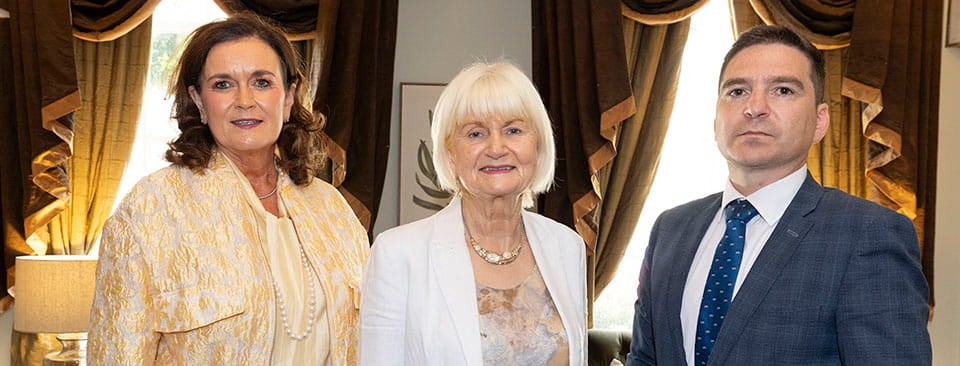
Criminal-law solicitors practising in Sligo met local TDs at Leinster House this week (15 July) to raise what the Law Society described as “urgent concerns” about the new flat-fee model for criminal legal aid introduced by the Department of Justice on 1 July.
The solicitors warned TDs Marian Harkin, Eamon Scanlon, and Martin Kenny that the change in the scheme was already forcing solicitors off criminal legal-aid panels – with knock-on effects for victims, vulnerable defendants, and the courts system in Sligo.
Caroline McLaughlin (President of the Sligo Bar Association) said that solicitors were resigning from the criminal legal-aid panel in “unprecedented numbers”, adding that a large number had stopped working under the new scheme.
Law Society poll
“A Law Society poll of 260 solicitors, who were on the criminal legal-aid panel in June, found that just three were continuing to work under the new scheme,” she stated.
McLaughlin added that, as well as solicitors, groups including the Irish Human Rights and Equality Commission (IHREC), the Irish Council for Civil Liberties (ICCL), and Free Legal Advice Centres (FLAC) had all voiced concerns about the negative impact the changes would have on the justice system.
“We are going to have a legal desert in Sligo at this rate,” she said.
The Sligo Bar Association President said that the Department of Justice was replicating a model that had already proven to be a failure in family law.
‘Exodus’ warning
“The same approach in civil legal aid (family law) drove solicitors out of this area of practice and created legal deserts, with the Legal Aid Board itself reporting it cannot maintain a consistent nationwide service. Replicating it in criminal law will predictably produce the same exodus,” she warned.
McLaughlin said that the department had designed a structure that assumed every case was the same, adding that this was not the case.
“A case involving a child, or someone with a serious addiction or mental-health difficulty, needs far more time – more court appearances, more meetings and more patience. None of that is reflected in a flat payment,” she said.
The solicitors used the meeting to ask the TDs to raise the matter directly with the Minister for Justice and to press for immediate engagement with the Law Society.