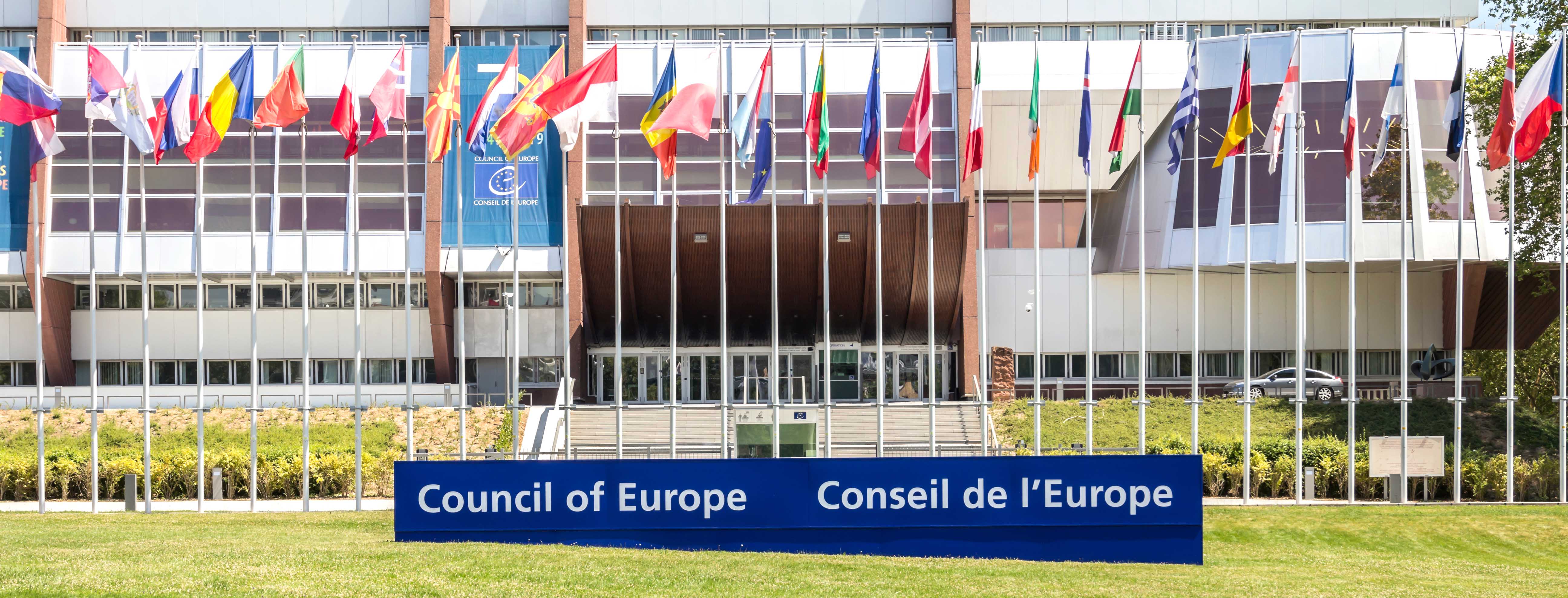
Council of Europe factsheet on over-long cases
More than 30 countries have taken steps to tackle overly-long court cases after judgments from the European Court of Human Rights (ECtHR).
The Council of Europe’s Department for the Execution of Judgments of the European Court of Human Rights has now produced a thematic factsheet on the subject.
The factsheet details domestic legislative measures implemented by over 30 member states to guarantee the right to a trial within a reasonable time under Article 6 of the European Convention on Human Rights.
It states that excessive delays in judicial proceedings can have serious consequences for individuals and may undermine the proper administration of justice and public confidence in judicial institutions.
The factsheet highlights a broad range of reforms and practical measures implemented by national authorities, including:
- Legislative reforms,
- Improvements in court management,
- Enhanced case-processing systems,
- Alternative dispute resolution mechanisms, and
- Effective remedies for individuals affected by undue delays.
The Council of Europe assists member states using expertise from the European Commission for the Efficiency of Justice (CEPEJ) and targeted guidance, such as Recommendation CM/Rec(2010)3 on introducing domestic remedies.
The factsheet details specific member state responses.
In Austria, to fix delays in criminal investigations, the Code of Criminal Procedure was amended (2015) to cap standard investigations at a strict maximum of three years.
Any subsequent extension requires the Public Prosecutor to obtain judicial approval and explicitly justify the delay.
Historic backlogs
Belgium reformed the Conseil d’État (2006) to systematically clear historic backlogs by widening the use of single-judge benches, creating a specialised body (Conseil du Contentieux des Étrangers), and establishing financial compensation pathways for delayed cases.
Finland (Vilho Eskelinen and Others group) amended its Administrative Judicial Procedure Act (2013) to force administrative bodies to formally provide parties, upon request, with an estimated duration for processing their appeals.
Italy (Abenavoli & Collarile groups) undertook sweeping transformations including the full digitalisation of administrative courts and setting a 70% backlog-reduction target.
Legally, the state reformed insolvency procedures (2022) to enforce overall time-limits on bankruptcy, and limited appeal pathways (2017) to prevent prolonged criminal litigation.