EU deal on combating child sexual abuse
The European Commission has welcomed a provisional agreement between EU governments and the European Parliament on a directive aimed at tackling child sexual abuse and sexual exploitation.
But it has called for faster progress on a complementary proposal that sets out obligations for internet companies to detect, report, and remove child sexual-abuse material on their services.
The commission proposed the directive, which updates rules agreed in 2011, to address children’s increased online presence and technological developments in recent years.
New offences
The rules update some existing offences and also create new ones.
Under the new directive, paying to access the livestreaming of child sexual abuse will be punishable.
In addition, designing or adapting AI systems to produce child sexual-abuse material, as well as distributing such systems, will be considered a criminal offence.
Grooming – soliciting a child under the age of sexual consent to produce or share child sexual-abuse material – will be considered a criminal offence.
Instructions
There will also be a new offence of owning and distributing instructions on how to commit child sexual abuse or how to produce child sexual-abuse material.
The updated directive includes the first EU-wide definition of non-consensual sexual acts and also extends protection to children who remain silent.
It will remain up to member states to define the age of sexual consent.
The updated rules also set a longer time period during which offences can be investigated and prosecuted after the victim has reached the age of majority.
This time period goes up to 32 years for the rape of children below and above the age of sexual consent, as well as for forcing a child into prostitution.
The provisional agreement will now have to be endorsed by the EU Council and MEPs.
National governments will then have three years to adapt their criminal-law codes to bring them into line with the revised EU directive.
‘We need enforcement’
The updated criminal-law rules are complementary to a proposal for an EU regulation that sets out obligations for internet companies to detect, report, and remove child sexual-abuse material on their services.
An interim regulation allowing the detection of child sexual-abuse online expired on 3 April.
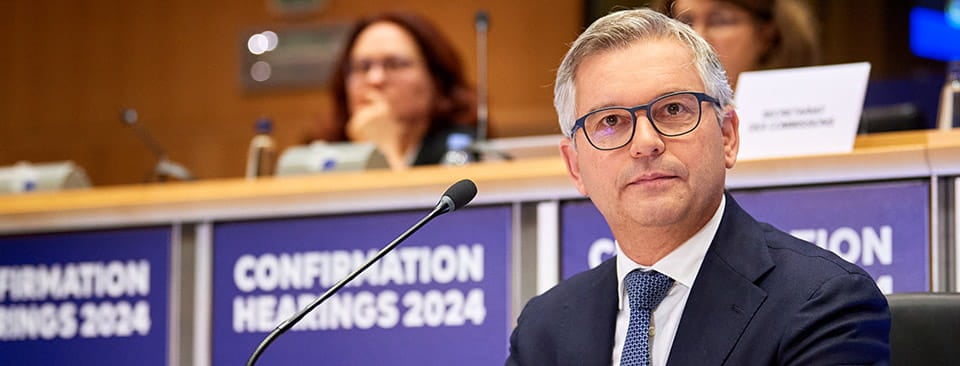
While welcoming agreement on the directive, commissioner for internal affairs Magnus Brunner said that defining the crime alone was not enough.
“We also need enforcement. Up to 80% of investigations into child sexual abuse rely on reports from online service providers; without a robust long-term regulation requiring such reporting, we risk leaving victims in the shadows. We call on co-legislators to act,” he stated.