Judges vocal on children in care failed by State
The child-protection system is facing a polycrisis, with children left without social workers and vulnerable teenagers placed in unregulated settings where they face sexual exploitation, according to a major new volume of reports from the Child Law Project (CLP).
Published today, (19 January) the 77 case reports produced by Dr Carol Coulter mark the resumption of CLP scrutiny of the child-care courts, which briefly ceased operations in late 2024 following a contract expiration.
On January 2, the Department of Justice announced that Dr Coulter would also lead a new Family Law Reporting Project, aimed at bringing similar transparency to private family-law disputes (such as divorce and custody) for the first time.
The CLP report notes increasing criticisms by the judiciary of failings in the care and health system.
Parental drug addiction remains a primary reason for children entering state care. Many cases involved newborn babies suffering from acute drug withdrawal at birth.
In 14 cases, one or both parents was in detention, or had recently left detention.
In 21 cases, the child’s parent had died violently. New concerns have emerged, such as a teenage boy living as a recluse in a virtual gaming world.
Some cases concerned children with no adult holding legal responsibility for them. This category includes 23 unaccompanied or separated minors.
Abandoned children
The report also includes cases of orphans and children abandoned by a parent who has left the jurisdiction.
Minority ethnic parents were disproportionately represented, the report states.
Other frequent factors include mental-health issues, domestic violence, and the needs of unaccompanied minors fleeing war.
The report shows a system struggling to fulfil basic legal obligations and the Child and Family Agency Tusla experiencing unprecedented strain in providing appropriate placements and personnel.
An audit requested by the Dublin District Court identified 685 breaches of court orders where children in state care had no allocated social worker.
Similar crises were reported in provincial cities, where one judge reviewed 30 cases of "unallocated" children who had been without professional oversight for months.
In several instances, judges took the extraordinary step of appointing a guardian ad litem (GAL) specifically to act as a safeguard for children that the State had effectively left without a caseworker.
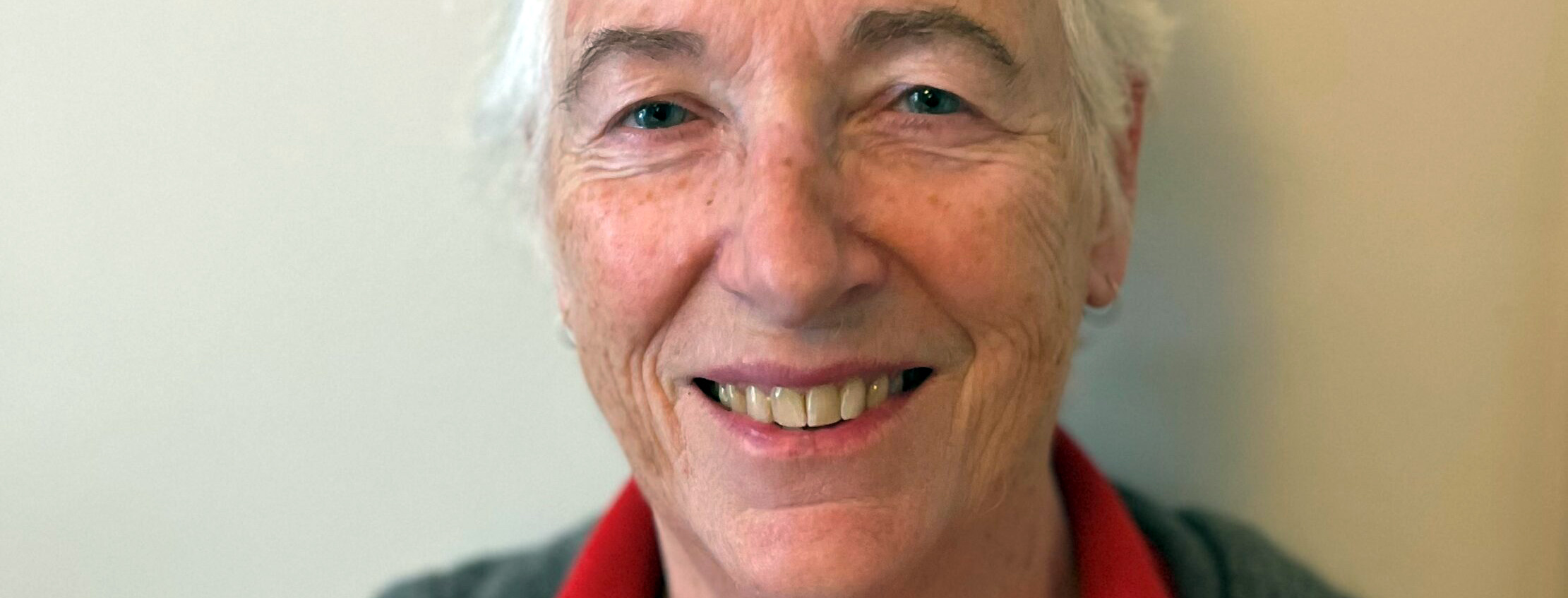
Director of the Child Law Project Dr Carol Coulter (pictured) said that the shortage of social workers had reached a point where judges qwre "deploring" the lack of resources.
"The reports include cases where judges considered the plight of those in unsuitable placements and where placements had broken down," Dr Coulter said.
A recurring theme in the 2026 volume is the failure to secure special care beds – secure units designed for children at high risk to themselves or others.
Due to a chronic shortage of these beds, Tusla has increasingly relied on "Special Emergency Arrangements" (SEAs).
These are often unregulated, non-registered settings, sometimes staffed by private security or agency workers without specific social-care training.
One judge said that three primary school-age siblings with nowhere to go after their foster-care arrangements broke down, would have grounds for a future civil action against the State for negligence.
Other examples were a 14-year-old boy staying a hotel room and a teen with complex needs living in a holiday home.
As of February 2024, there were 174 children in unregistered placements, 111 of which were separated children seeking international protection.
The consequences of stop-gap measures have been catastrophic for some.
Stability was a key ingredient for successful outcomes for a child, the report said, with good results for those living with stable carer environments, often with relatives.
'Robotic' toddler
One toddler, described as robotic, watchful and frozen in nature, and overeating raw meat, had blossomed in the care of foster parents.
The volume details the case of a young girl who repeatedly absconded from an SEA and was subsequently sexually assaulted.
While Tusla acknowledged she met the criteria for secure detention in special care, no bed was available.
In another case, a Dublin District Court judge expressed "despair" stating he was reluctant to sign orders for placements that even the chief executive of Tusla admitted she "could not stand over".
One judge criticised the ‘cut-and-paste’ repetitious nature of reports he was seeing, and set out improvements he wanted.
The judge said that if problems persisted, he would issue a practice direction on the matter.
A significant number of children entering care now have additional needs, such as autism.
Dr Coulter highlighted one case where a family with five autistic children saw three taken into care because their parents simply could not cope.
The report includes the case of a young girl trafficked into Ireland for sexual exploitation.
She was found "distressed and unwell" on a Dublin street by a member of the public, having arrived with nothing but the clothes on her back and no English.
The report details nine further such cases.
One case followed a baby who was taken into interim care directly from a hospital after suffering severe, non-accidental injuries. Two years later, the court heard the child was thriving in foster care, meeting all developmental milestones, and overcoming the trauma of their early months.
The report notes that this serves as a reminder of the dramatic improvement possible when a child is placed in a stable, loving environment.
Dr Coulter (pictured) used the launch of the report to call for a fundamental shift in how the State handles disability and social care.
She argued that the current trend of children with high additional needs entering the care system because of a lack of community support is a policy failure that extends far beyond Tusla.
"The fact that children are taken into care because their parents cannot cope underlines the need for a whole-of-government approach to dealing with disability," Dr Coulter said.
The report details the first instance of a judge warning a mother that breaching a supervision order is a criminal offence, with consequent sanction.