Call for earlier access to torture assessments
A research report from Maynooth University (MU) has called for medico-legal reports (MLRs) identifying victims of torture to be made accessible more quickly.
The report says that this would ensure that State supports were made available to those who needed them at an earlier stage of the international-protection process.
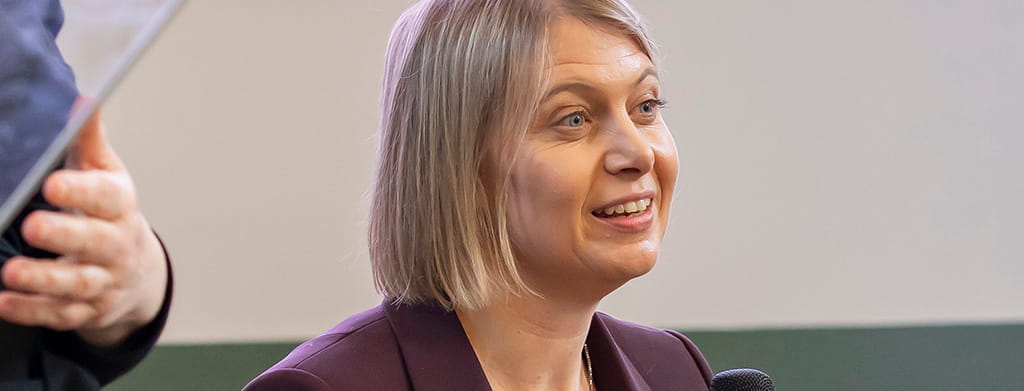
Dr Clíodhna Murphy of MU’s School of Law and Criminology compiled the report in partnership with Spirasi, the centre for the rehabilitation of survivors of torture and their families.
Lengthy appeals
“Early access to such reports is vital to ensure that correct decisions are made in the first instance, and to ensure faster access to protection for those that need it,” Dr Murphy said.
She added that improved access to such report could also reduce the need for lengthy appeals and the re-traumatisation that could go with them.
For the report, MU researchers examined decisions of the International Protection Appeals Tribunal (IPAT) and interviewed 13 professionals – including physicians, legal practitioners, and decision-makers.
The research showed that MLRs had a clear ‘positive’ impact in the majority of IPAT cases examined in which an MLR had been submitted.
The next largest cohort of cases were those in which the tribunal considered the MLR, but its impact was outweighed by factors related to credibility, evidence, or other individual features of the case.
Higher success rate
Using 2023 as a ‘snapshot’ year, the report found that appellants with an MLR had a much higher rate of success (67.8%) than the general 30% success rate at the IPAT.
According to MU, IPAT members frequently articulated the value of MLRs in supporting their decision-making – even in cases in which the appeal was unsuccessful.
The interviews found that MLRs were often crucial in the protection process, with many interviewees highlighting the lack of early access to MLRs as the most pressing problem in this area.
The report also highlighted a lack of medical personnel who could compile MLRs in Ireland.
“A new strategy is required to train and retain more doctors to perform this highly specialised work,” Dr Murphy said.