Bill planned to give effect to O’Meara ruling
The Government has approved the drafting of legislation on social welfare that would implement the Supreme Court decision in the O’Meara case.
The court ruled last year that John O’Meara, whose long-term partner died in 2021, was entitled to a widower’s contributory pension (WCP).
O’Meara and Michelle Batey, who died in 2021, had lived together and had three children, but had never married or entered into a civil partnership.
In his ruling, Chief Justice Donal O’Donnell had described the rules governing the payment of WCP under section 124 of the Social Welfare Consolidation Act 2005 as ”arbitrary and capricious”.
Qualifying cohabitants
A statement from the Department of Social Protection said that the planned Social Welfare (Bereaved Partner’s Pension) Bill would provide qualifying cohabitants with access to the Widow’s, Widower’s, and Surviving Civil Partner’s Contributory Pension.
The bill would extend eligibility for the payment to qualified cohabitants who are in an “intimate and committed relationship” for two years where there is a child or children of the relationship or five years if otherwise.
The department says that this reflects the existing definition in Irish law for qualifying cohabitants.
Payments to start from January 2024
The bill provides for changes to the 2005 act that are required to expand eligibility for these payments:
- There will be no time restrictions on when the bereavement of the qualified cohabitant occurred, provided the rules are met,
- Payments will start from 22 January 2024 (the date of the Supreme Court judgment), or later if the death is after this date,
- The rules on when entitlement to the payment will permanently cease will be amended, and
- The same rules for eligibility for cohabitants will be applied to the other schemes, such as the non-contributory versions of the pension, and the Widowed or Surviving Civil Partner Grant.
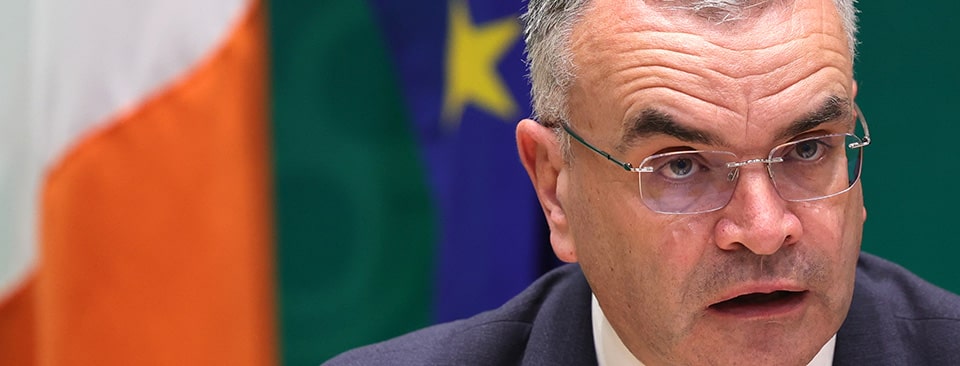
“The loss of a loved one does not discriminate between those who are married or those that lived together in committed relationships,” said Minister for Social Protection Dara Calleary.
“The Supreme Court recognised that such distinction was unequal when it came to the Widower’s Contributory Pension. With this legislation, we will ensure that a significant financial support is available to grieving partners equally,” he added.