EU to set binding targets on reducing pesticides
The European Commission has proposed new rules that would reduce the use of chemical pesticides by half by 2030.
It has also unveiled what it says is the first piece of legislation targeted as restoring Europe’s natural habitats.
The commission says that its proposed Nature Restoration Law is “a key step” in avoiding the collapse of eco-systems, and preventing the worst impacts of climate change.
It said that the law on nature restoration would be aimed at repairing the 80% of European habitats that are in poor condition, and bringing back nature to all eco-systems, “from forest and agricultural land to marine, freshwater and urban eco-systems”.
National plans
Under the proposal, legally binding targets for nature restoration in different ecosystems will apply to all member states, who must also draw up national plans for restoration.
The aim is to cover at least 20% of the EU's land and sea areas by 2030 with nature-restoration measures, and eventually extend these to all eco-systems in need of restoration by 2050.
It covers measures such as rewilding, returning trees, greening cities and infrastructure, and removing pollution to allow nature to recover.
The commission points out, however, that not all restored areas will have to become protected, and that restoration does not preclude economic activity.
Pollinator populations
The new law builds on existing legislation, but covers all eco-systems, rather than being limited to those areas protected by the Habitats Directive and Natura 2000.
The targets proposed include:
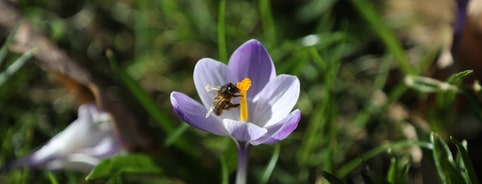
- Reversing the decline of pollinator populations by 2030, and increasing their populations from there on,
- No net loss of green urban spaces by 2030, a 5% increase by 2050, a minimum of 10% tree canopy cover in every European city, town, and suburb, and net gain of green space that is integrated to buildings and infrastructure,
- In agricultural ecosystems, overall increase of bio-diversity, and a positive trend for grassland butterflies, farmland birds, organic carbon in cropland mineral soils, and high-diversity landscape features on agricultural land,
- Restoration and rewetting of drained peatlands under agricultural use, and in peat extraction sites,
- In forest eco-systems, overall increase of biodiversity and a positive trend for forest connectivity, deadwood, share of uneven-aged forests, forest birds and stock of organic carbon,
- Restoring marine habitats such as seagrasses or sediment bottoms, and restoring the habitats of iconic marine species such as dolphins and porpoises, sharks and seabirds,
- Removing river barriers so that at least 25,000km of rivers would be turned into free-flowing rivers by 2030.
Rules ‘too weak’
On pesticides, the commission says that the current rules have proven to be “too weak”, and it now proposing legally binding targets at EU and national level.
As well as the 50% reduction target, farmers will have to practise Integrated Pest Management (IPM), in which alternative, environmentally friendly methods of pest prevention and control are considered first, before the use of chemical pesticides as a last resort.
The use of all pesticides will be prohibited in places such as urban green areas – including public parks or gardens, playgrounds, schools, recreation or sports grounds, public paths and protected areas.
“The new rules on chemical pesticides will reduce the environmental footprint of the EU's food system, protect the health and wellbeing of citizens and agricultural workers, and help mitigate the economic losses that we are already incurring due to declining soil health and pesticide-induced pollinator loss,” the commission said.
There will be packages to compensate farmers for any losses linked to the implementation of the new rules over a five-year transition period.